
Tree Service SEO: The Owner's Guide to a Phone That Rings (2026)
At a glance: Nobody browses tree removal for fun. A storm hits, a trunk splits, an insurance adjuster asks for a report, and someone types “tree removal near me” with their card half out. Tree service SEO puts your company in front of that urgent, local demand on pages you own, instead of renting the same shared lead as four competitors. We have done this exact build: one tree company went from $79K to $373K in annual revenue in 19 months. This guide is the full playbook, the honest timeline, and what it costs, whether you do it yourself or hire us.
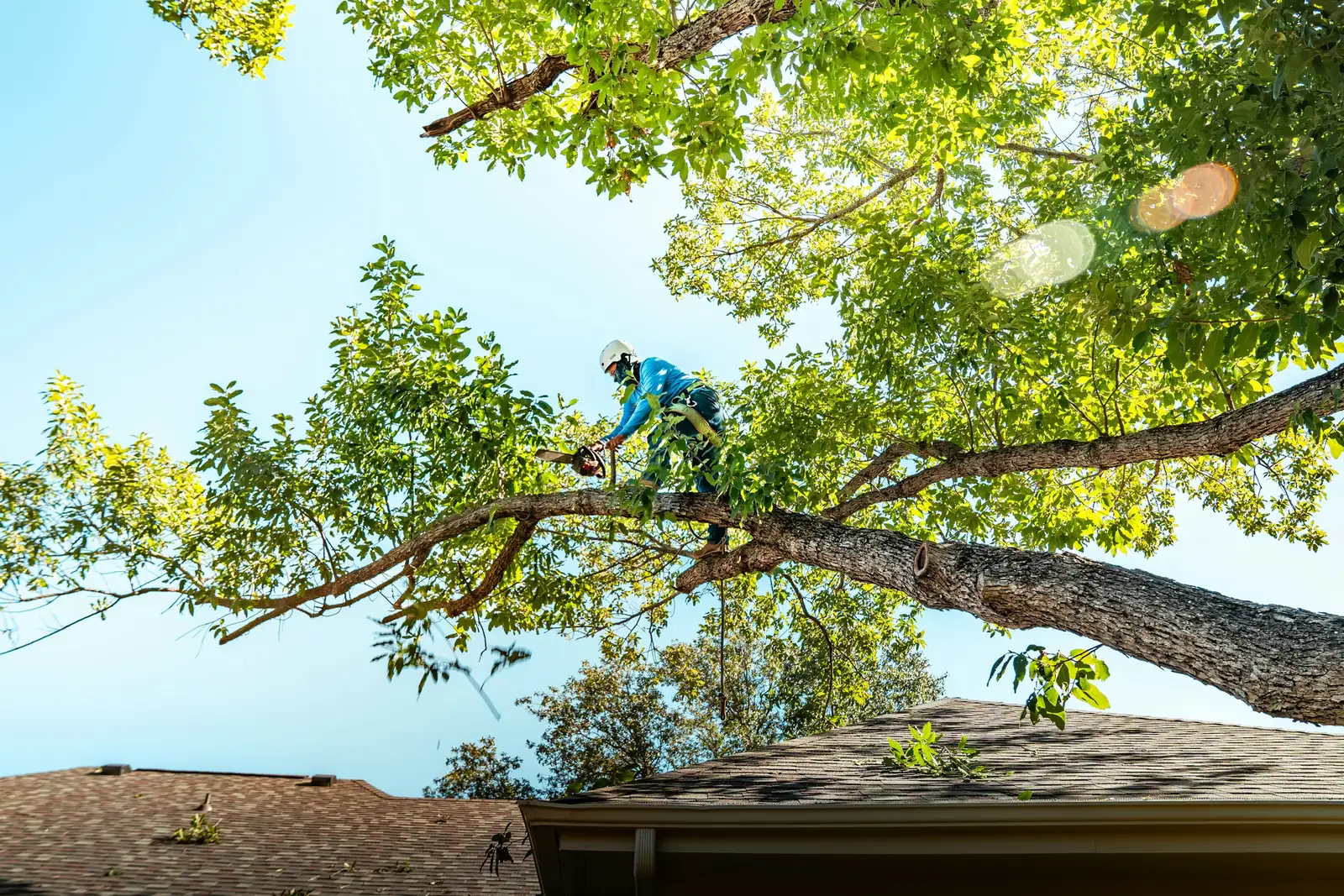
Does SEO Even Work for a Tree Company?
Fair question, because you have probably been promised the moon before.
Here is the evidence instead of the promise. When a New Zealand tree company came to us, the market analysis found 1,000 monthly searches for tree services in their area, with low competition. The work was excellent. The company was invisible. The demand was already there, typed into Google every month by people holding a problem and a budget.
Nineteen months of building later, annual revenue had gone from $79K to $373K. Not from ads. Not from bought leads. From pages that rank.
Tree work is actually one of the best trades for SEO, for two reasons:
Demand is urgent and cannot wait. Storm damage, a split trunk leaning over the neighbour’s fence, a council notice. The searcher needs a crew this week, which is why tree service keywords convert at rates most industries would kill for.
Your competition is weak online. Tree companies are excellent at climbing and terrible at websites. In most service areas, the businesses on page one have an outdated site, one vague services page, and a half-empty Google Business Profile. That is a low bar. A properly built site clears it.
Step 1: Chase the Keywords That Mean Money
You do not have time to blog about everything, so do not. Three buckets matter, in this order:
Service + city keywords. “Tree removal Auckland”, “stump grinding Queens”, “tree trimming Wellington”. These are the money terms: one page per service per city, matched to work you actually do in places you actually serve.
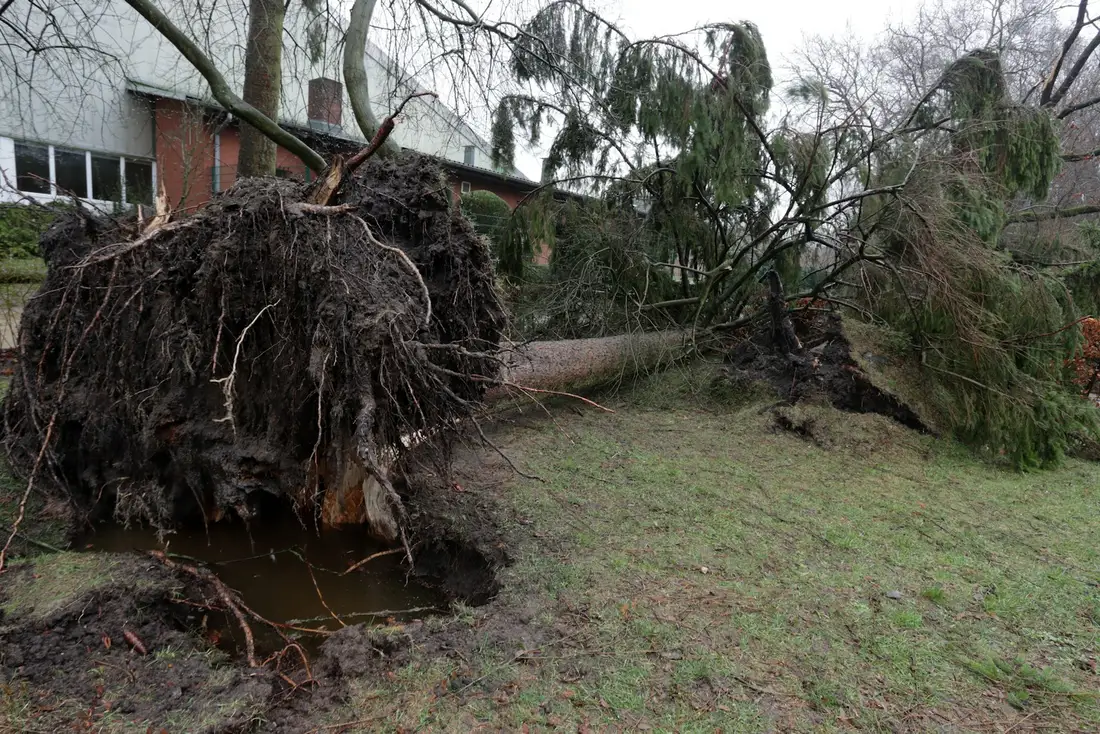
Emergency and storm keywords. “Emergency tree removal”, “storm damage tree service”, “fallen tree removal cost”. The urgency bucket converts highest of anything in the trade, and it surges every time weather rolls through. Build these pages before storm season, not after.
Cost and question keywords. “Tree removal cost”, “how much does stump grinding cost”, “do I need council permission to remove a tree”. These searchers are earlier in the decision. A straight answer with real numbers builds the trust that makes you the call instead of a competitor.
Skip the broad national terms. You will never outrank the aggregators for “tree service”, and you do not need to. You need the people searching within driving distance of your yard.
Step 2: Build a Page for Every Service in Every City
This is where most tree company websites quietly fail. One “Services” page listing removal, trimming, stump grinding, and firewood ranks for none of them.
Google ranks pages, not businesses. The math is simple: four services across three cities means twelve pages, each targeting one service in one place, each answering what that specific searcher wants to know, each ending with one clear way to call you. It is the same local SEO structure that works for contractors in every trade, and it is the difference between ranking for two keywords and ranking for forty.
One serious warning: those pages must be genuinely different and genuinely useful. Swapping the city name into the same paragraph twelve times is doorway spam, and Google has become very good at ignoring it. Different areas have different trees, different council rules, different storm patterns. Write like you work there, because you do.
Step 3: Set Up Google Business Profile Like a Service-Area Business
For “near me” searches, the map pack appears above the regular results, and for tree work the map pack is where the call usually happens. Most tree companies get the setup wrong on day one.
Configure as a service-area business. Your shop is probably your home or a yard customers never visit. Google’s own rules for service-area businesses say to hide the address and list the areas you serve instead. Getting this wrong can suppress your profile.
Categories decide your rankings. Primary category “Tree service”, plus every secondary that genuinely applies. This is the strongest single signal in the pack.
Photos of real work, weekly. Crews, climbs, before and after removals. Profiles with active photo streams get more calls than a logo and a stock image.
Reviews with the service and the town in them. Ask every happy customer, and ask them to mention what you did and where. “Fast emergency tree removal in Titirangi” is a review that ranks. Respond to every review, including the bad ones.
Step 4: Earn Links That Prove You Are Real
Link building for a tree company is not glamorous and does not need to be. Real local signals beat volume: your arborist association membership (customers can verify credentials through the Trees Are Good arborist directory), the local chamber, supplier partner pages, and local news coverage when a storm has your crews out at 2am.
A handful of real local links beats a hundred from link farms. This is also where a trade-specific agency earns its fee, because generalists buy junk links and call it strategy.
Step 5: Get the Boring Technical Basics Right
No fancy site required. Fast, readable, and callable wins:
- Loads in under three seconds on a phone, because that is where your customers are
- Click-to-call number visible on every page
- One clear heading per page, proper titles, following Google’s SEO fundamentals
- A sitemap and zero broken links
This is one-time build work, not a monthly fee dressed up as maintenance.
The Honest Timeline (Read This Before You Spend a Dollar)
Anyone promising page one in weeks is lying to you. Here is what the curve actually looks like.
Months 1 to 3 are build months. Pages published, profile rebuilt, links started. Organic calls are rare and that is normal.
Months 3 to 6, rankings climb. The first organic calls arrive, usually from the emergency and long-tail terms first.
Month 6 onward, it compounds. Every ranked page is an asset producing calls with no per-lead fee attached.
The tree company we documented set three measurable objectives at the start: lift visibility and traffic by 60%, take leads from near zero to 10 to 15 a month, and grow monthly revenue 80% through qualified signed work. Reaching $373K in annual revenue took the full 19 months. That is the honest timescale, and it is also why the results last: 94% of our clients stay past the 24-month mark, because nobody walks away from an asset that keeps ringing.
Why Not Just Buy Leads?
Because the lead platforms are running an auction against you, with your own customers as the prize.
Here is the mechanism. A homeowner fills out one form. That request is sold to four or five tree companies at the same time. Everyone races to the phone; the homeowner picks whoever answers first, then whoever quotes lowest. You pay for the lead either way. It is not a bug, it is the business model.
SEO flips the model. The caller found you, alone. The cost per call falls every month the pages keep working. And when you sell the business one day, a ranking website is an asset with a price tag, not a subscription you were renting.
Do It Yourself, or Hire It Out
You can absolutely do this yourself. Everything above is the real playbook, not the teaser version, and a patient owner with forty pages of writing in them needs no agency.
If you would rather be up a tree than inside a content calendar, here is exactly what hiring us costs, because hiding pricing is a red flag we refuse to fly:
- Owned SEO infrastructure at $2,800 per month. We build and rank the site; you own the domain, the content, and the rankings. It compounds, and it is transferable and sellable with the business.
- Website rental at $1,200 per month plus a $1,500 one-time setup. A ranked site generating exclusive calls in your territory, month-to-month with no contracts, for owners who need the phone ringing before an SEO build can ramp.
Both paths get you customers. The right one depends on your timeline. The strategy call is 30 minutes, there is no hard sell, and if we are not the right fit we will tell you who is.
Tree Service SEO: Quick Answers
How long does tree service SEO take? First organic calls typically land in months 3 to 6; the compounding effect shows from month 6 onward. Our documented tree company build took 19 months to nearly quintuple revenue.
How much does it cost? Doing it yourself costs time and hosting. Hiring us is $2,800 per month for infrastructure you own, or $1,200 per month plus $1,500 setup to rent a ranked site with exclusive calls.
Is it worth it for a small crew? Small crews benefit most, because one extra removal a week changes the month. The demand already exists; SEO just points it at you instead of the platforms.
Do I need a blog? Not at first. Service and city pages plus a properly configured Google Business Profile do the heavy lifting. Cost guides and storm-season content come after the money pages rank.